
Know Your Steak Cuts
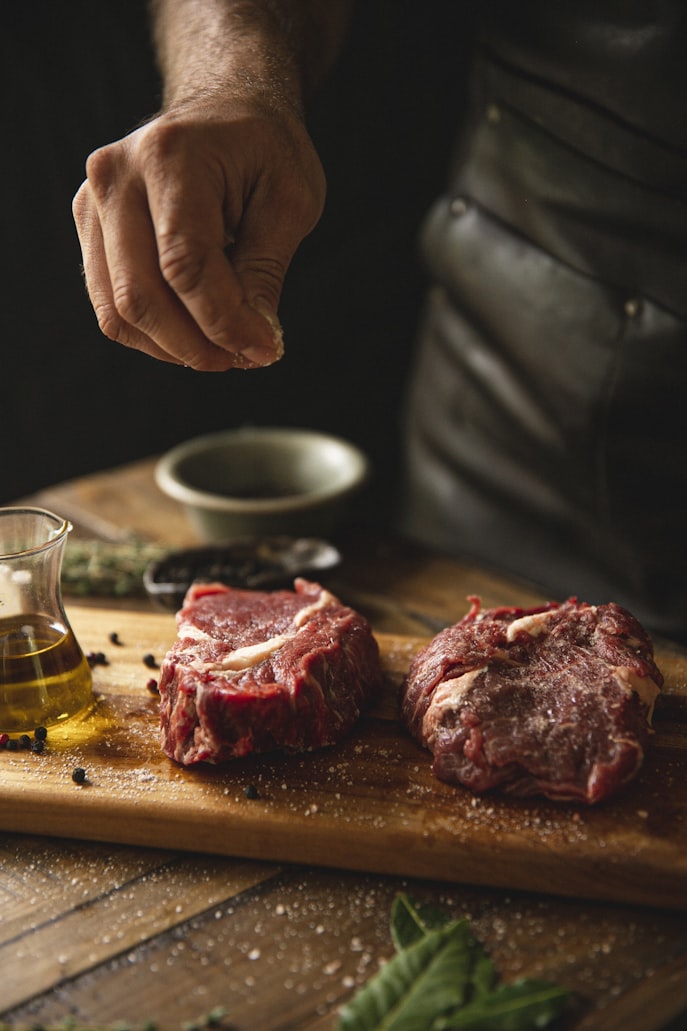
We’ve all been at a dinner where someone (but surely not you) confidently ordered a New York Strip while secretly wondering if it comes with cheese. It doesn’t, Susan. It’s not a sandwich.
If you’ve been nodding through steak convos your whole adult life, fear not. This meaty guide is here to rescue you from your carnivorous cluelessness and put some fire in your grill game.
Let’s break down the main cuts of beef so you can strut into any steakhouse like you own the damn cow.
Cuts of the Cow
I know this picture is a little macabre. Sometimes, you DO need to see how the sausage is made.

Steak Cuts
Let’s take a closer look at each of the steak cuts. There are some I’ve left out, but this should hopefully cover the majority of what you need to know.
Chuck
Chuck comes from the cow’s shoulder. This is the hardworking front section that did all the heavy lifting in cow life. This muscle group didn’t have time for resting or being tender; it was out here doing push-ups, carrying emotional baggage, and holding the whole cow together. Is your name Chuck? If so, perhaps you are also also tough, hard working, and carry emotional baggage. So in summary, chuck is flavor-packed, a bit tough, and full of connective tissue that turns into silky magic when slow-cooked.
This is where you get chuck roast, beef stew meat, ground chuck, short ribs in some cuts, and that secret-weapon steak lovers know: the flat iron. Chuck is your go-to for cozy Sunday pot roasts, crock-pot days, beef bourguignon, chili that wins contests, and burgers with just the right fat ratio (80/20). It’s not fancy stuff but it’s my comfort food. Perfect for anyone who believes flavor beats flash and who proudly owns a fun-colored Dutch oven.
Brisket
Once I made brisket. I got out there at 10AM, lit charcoals in the snake method, got the thing smoking, and at 12AM my brisket was ready. I don’t think it was worth it, but I was 3 bottles of bourbon in, so that was fun. Next time I will just buy brisket.
Anyway..Brisket comes from the lower chest of the cow. This muscle held up hundreds of pounds of bovine goodness every day, so yeah, it’s tough. But give this cut low heat, time, and a little love and suddenly you’re stinking of smoke and eating at 12AM like me. Brisket transforms from a dense, stubborn slab into smoky, buttery, fork-dropping bliss. And then you have that bark which is the famous black crust around the meat everyone raves about and posts on Instagram.
Whether you’re smoking it Texas-style, braising it Jewish-grandma style, or slicing it thin for ramen, brisket is the heavyweight champion of slow-and-low cooking. It’s not fast, it’s not delicate, and it will absolutely punish impatience and the smelling of your clothes. But we can all agree when done right, it’s pretty damn good.
Best for: pit masters, comfort-food lovers, and anyone who owns a thermometer and calls it “my probe.”
Lord of the Ribs
The rib section is full of fat marbling, intense flavor, and pure carnivore joy. This area sits right behind the chuck, and unlike the hardworking front muscles, the ribs mostly just vibed through life. That means rich, tender meat with some luxury. If we called a cow a neighborhood, you’re running into wine bars, gastropubs, and people who say “we should really do Napa again, Buffy.”
Cuts from here are known for deep, buttery beefiness and that iconic fat marbling that melts into pure flavor. Basically, this is where beef dreams come true for Aragorn. Frodo might prefer crumpets to this cut. I think Sam would crush some prime rib, though.
Prime Rib
Prime rib is the rib primal at its most dramatic a show-stopping roast, bone-in, juicy, and usually presented like it should have its own velvet rope and spotlight. It’s the holiday hero, the special-occasion centerpiece, the “I love you so much I spent three days obsessing over oven temps” roast. Well, my family doesn’t say that. My family doesn’t eat this for some reason, so this year I’m going to listen to Vince Guaraldi Trio Charlie Brown Christmas (O Tannenbaum), drink red wine, and eat prime rib alone. You guys can eat Trader Joe’s chicken nuggets. Losers.
Of course it’s slow-roasted until tender, carved thick, served with au jus and maybe horseradish. Prime rib is for people who take gravy seriously and believe leftovers COMMAND RESPECT.
Best for: holidays, milestone dinners, people who own carving boards with juice grooves, people who like Charlie Brown Christmas music and drink red wine.
Rib Eye
Take all the luxury of prime rib, slice it into steaks, turn the flavor dial up to 11 (I sure hope someone got the Spinal Tap reference), and you get the ribeye. It’s the rockstar of the steak world. I freakin’ love ribeye. What’s with the eye thing? A chef told me it’s the swirl of marbling in the middle. I’m not sure if that’s true, but it sounds like a believable thing to propagate to everyone, so I do.
Ribeyes are rich, juicy, and unapologetically indulgent. Pan-sear it, reverse-sear it, drop it on charcoals, marinate it, grill it..you can barely mess it up unless you actively try. This is the steak for people who clap when steaks are served (if they’re medium rare).
One time I did something epic… I marinated a bone-in ribeye with Korean Bulgogi sauce and let it sit for a day. Steak purists were annoyed I used a marinade, but when this thing was ready it was absolutely amazing.
Best for: grill kings, cast-iron purists, red-wine lovers, and anyone who eats fat like it’s seasoning (because it is).
Short Rib
Short ribs are the edgy cousin of ribeye that live in the same glamorous neighborhood, but hanging out down by the belly where things get gritty and delicious. These ribs are packed with deep beef flavor, marbling, and connective tissue that turns velvety when cooked low and slow.
Grill them Asian-style and they’re sweet, smoky, caramelized joy. Braise them wine-soaked and they become luxurious, fall-apart tenderness. Ever have it over mashed potatoes or polenta? Short ribs don’t rush. They demand commitment and reward patience with beef that hugs you leaves you feeling like a champion.
Best for:
Cold nights, red wine drinkers, and people who casually say “OK family it’s Sunday – I’m putting on Sinatra, binge-eating Cape Cod potato chips while doom scrolling Reddit, and doing a 4-hour braise today.”
Skirt Steak
Short ribs live where the rib meets the plate, and skirt steak lives right below that in the plate. Same cow neighborhood, just… a very different personality. The cut is kinda hanging close to the belly and is the part of the cow that handled breathing, posture, and occasionally dramatic sighs when the other animals crack bad farm jokes. The meat isn’t tender like filet, but it is packing an intense, beef-forward flavor that steakhouses and steak-lovers dream about. Ribeye is a luxury yacht. Skirt steak is that cool food-truck guy who does wild things like tacos with kimchi.
This cut has big loose grain, tons of character, and marinates like it was born for it. Quick sear, slice against the grain, and it’s a done deal. Skirt steak doesn’t need pampering, just heat, time, and someone who appreciates a steak with attitude.
Best for:
Korean BBQ vibes, street tacos, fajitas, chimichurri enthusiasts, and anyone who believes cast iron is a love language.
The Loins (Yes, We’re Going There)
Welcome to the Loin District, the Beverly Hills of the cow.
Minimal effort, maximum luxury. These muscles spent their lives doing absolutely nothing important which in steak terms makes them icons of tenderness.
If the cow had a spa membership and a meditation coach, this is where you’d find them. The loins don’t hustle. They don’t grind. They don’t deadlift. They exist simply to be adored and pampered. The tenderloin, strip, porterhouse, and T-Bone all live here, sashaying around in marbled glory like they own the place.
This is where you find the celebrities of steak:
- The tender diva (Filet Mignon)
- The swaggering crowd-pleaser (NY Strip)
- The two-for-one power couple (T-Bone/Porterhouse)
Tenderloin (Filet Mignon)
Filet mignon is the most tender cut of beef, taken from the tenderloin which is a small, lean muscle that runs along the cow’s spine and does very little work. Because this section yields only a few steaks per animal, filet mignon is rare and highly prized. Its texture is buttery and delicate, with a mild flavor that sets it apart from richer cuts like ribeye or strip steak. Many chefs enhance its subtle taste by wrapping it in bacon or topping it with herb butter, cream sauce, or demi-glace.
Cooking filet mignon is all about preserving its tenderness. It shines when seared quickly over high heat and served medium-rare to medium, allowing the center to stay juicy and soft.
Strip Steak / New York Strip
The New York strip, also known as a strip steak, Kansas City strip, or sirloin strip, is one of the most popular cuts. And for good reason. It comes from the short loin, a section of the cow that balances tenderness with rich, beefy flavor. Unlike filet mignon, the strip has noticeable marbling throughout, giving it a juicy texture and a bold, savory taste that steak lovers crave. It’s the ideal middle ground between the delicate tenderness of a filet and the intense richness of a ribeye.
Strip steaks are best cooked hot and fast, typically grilled, broiled, or pan-seared, which helps to develop a caramelized crust while keeping the inside pink and juicy. A bit of salt, pepper, and butter is often all it needs, but it also holds up well to peppercorn sauces or red wine reductions. With its hearty flavor, balanced texture, and beautiful presentation, the New York strip is the quintessential steakhouse cut.
T-Bone and Porterhouse
Two steaks, one bone, and zero compromise. Strip on one side, tenderloin on the other, basically the steak world’s power couple.
The T-bone and Porterhouse are iconic steaks cut from the short loin, each featuring a T-shaped bone that separates two premium sections: the tenderloin and the strip steak. The Porterhouse is essentially a larger T-bone, with a bigger portion of tenderloin, while the T-bone has a smaller one but the same bold, beefy flavor.
Both cuts deliver the perfect balance of tenderness and richness, especially when grilled or seared over high heat to develop a deep crust. The bone helps lock in juices, and a simple seasoning of salt, pepper, and butter is all they need. Juicy, flavorful, and impressive on the plate, T-bone and Porterhouse steaks are true steakhouse classics built for serious meat lovers.
Best for:
Indecisive carnivores, steakhouse heroes, date nights where you whisper “we’re sharing this” and then don’t.
Sirloin
Sirloin is like the straight-A student of steaks. It is solid, reliable, less flashy, always invited. It’s leaner, still flavorful, and great when you want steak without taking out a small loan.
Flank Steak
Flank steak comes from the cow’s lower abdomen and is known for its deep, beefy flavor rather than tenderness. It’s a lean, long, flat cut with visible grain that makes it perfect for marinades and quick, high-heat cooking like grilling or searing. To keep it juicy, cook it no more than medium and always slice thinly against the grain. Affordable and flavorful, flank steak is a favorite for fajitas, stir-fries, and steak salads.
The End (Of the Cow)
Round
Round steak comes from the cow’s hind leg, a hardworking area that makes it lean and firm rather than tender. It has a mild beef flavor and very little fat, which means it can dry out if overcooked. This cut shines when slow-cooked, braised, or used for roasts, where moisture can break down the muscle fibers. Affordable and versatile, round steak is great for dishes like beef stew, London broil, or thin-sliced sandwiches.
Shank
Shank comes from the cow’s lower leg and is one of the toughest, most sinewy cuts of beef. Packed with connective tissue and collagen, it’s not suited for quick cooking—but when braised low and slow, it transforms into something rich and silky. The long cooking time melts the collagen into a luscious sauce, making shank ideal for dishes like osso buco, beef stew, or soup stock. It’s an inexpensive cut that rewards patience with incredible flavor and texture.
Wrapping Up
OK, so hopefully you’ve come to learn a thing or two, and appreciate just how diverse the various cuts are. As you can see, a key part is the use of the muscle, as overworked muscles produce more tough and chewier cuts, and why areas like tenderloin are so soft and usually can be cut with just a fork.
After writing this, I decided this week I will be eating bone-in rib eye.
Have a great shift and wishing you lots of tips!